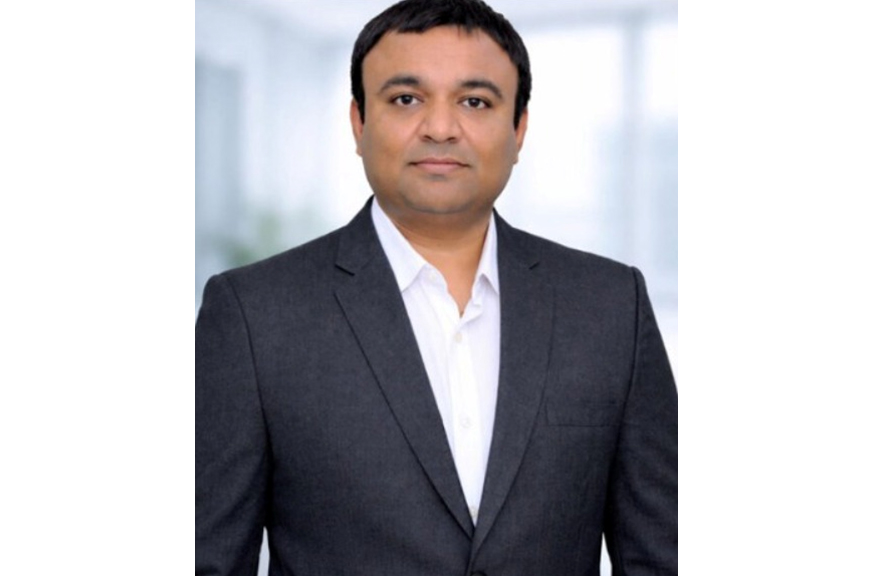
In an exclusive interaction, Sandip Patel, Director, FarmPeace, shares how the organization is reimagining the future of Indian agriculture through farmer empowerment, sustainable farming practices, and stronger rural ecosystems.
From addressing long-standing challenges such as fragmented supply chains and limited market access to fostering climate-resilient agriculture and rural entrepreneurship, Patel discusses FarmPeace’s journey, key milestones, measurable impact, and long-term vision of building a more inclusive, resilient, and prosperous agricultural landscape for India’s farming communities.
You May AlsoLike This


Q1. What inspired the creation of FarmPeace, and what core problem in the agricultural ecosystem are you aiming to solve?
FarmPeace was born out of a deep understanding of the challenges faced by Indian farmers, particularly small and marginal landholders who form the backbone of the country’s agricultural economy. Despite their crucial role in ensuring food security, many farmers continue to struggle with fragmented supply chains, limited market access, unpredictable incomes, and inadequate access to technology and resources. We recognized the need for a platform that not only addresses these structural inefficiencies but also empowers farmers to become active participants in a more sustainable and profitable agricultural ecosystem. At its core, FarmPeace aims to bridge the gap between farmers, markets, technology, and support systems, enabling rural communities to thrive economically while promoting environmentally responsible farming practices.
Q2. How does FarmPeace work towards improving the livelihoods of farmers and strengthening rural communities?
FarmPeace adopts a holistic approach to rural development by focusing on farmer empowerment, sustainable agriculture, and community engagement. We work closely with farmers to provide access to modern agricultural knowledge, improved farming techniques, market linkages, and value-added opportunities that help increase productivity and profitability. Beyond farming, we encourage community-led initiatives that create additional income streams, enhance skill development, and promote collective growth. By fostering stronger connections between producers, consumers, institutions, and local stakeholders, FarmPeace helps build resilient rural ecosystems where farmers can secure better livelihoods while contributing to the social and economic development of their communities.
Q3. What have been some of the most significant milestones achieved by FarmPeace since its inception?
Since its inception, FarmPeace has made meaningful progress in creating positive outcomes for farming communities. Some of our key milestones include expanding our outreach across multiple agricultural regions, building strong partnerships with farmer groups and rural stakeholders, and successfully implementing programs that improve market access and income opportunities for farmers. We have also facilitated the adoption of sustainable farming practices that help enhance productivity while reducing environmental impact. Equally important has been the growing trust and participation from farming communities, which validates our mission and demonstrates the value of collaborative, farmer-centric development models. These achievements have laid a strong foundation for scaling our impact in the years ahead.
Q4. How do you measure the social and economic impact of your initiatives on farmers?
Impact measurement is central to FarmPeace’s approach. We evaluate our initiatives using both quantitative and qualitative indicators to ensure that our interventions create meaningful and sustainable outcomes. Economically, we assess factors such as increases in farmer income, productivity improvements, reduction in input costs, access to new markets, and diversification of revenue streams. Socially, we monitor indicators such as community participation, capacity building, adoption of sustainable agricultural practices, and improvements in overall quality of life. We also gather regular feedback from farmers and local stakeholders to understand their experiences and identify areas for continuous improvement. This data-driven approach enables us to refine our programs and maximize long-term impact.
Q5. What is your long-term vision for FarmPeace in transforming the future of Indian agriculture?
Our long-term vision is to build a future where agriculture is not only economically viable but also environmentally sustainable and socially inclusive. We envision FarmPeace becoming a catalyst for a new agricultural model that empowers farmers with access to knowledge, technology, markets, and financial opportunities while preserving natural resources for future generations. By creating stronger value chains, encouraging sustainable farming practices, and fostering rural entrepreneurship, we aim to contribute to a more resilient agricultural ecosystem. Ultimately, our goal is to help transform Indian agriculture into a sector where farmers are recognized as entrepreneurs, rural communities prosper, and innovation drives inclusive growth across the country.